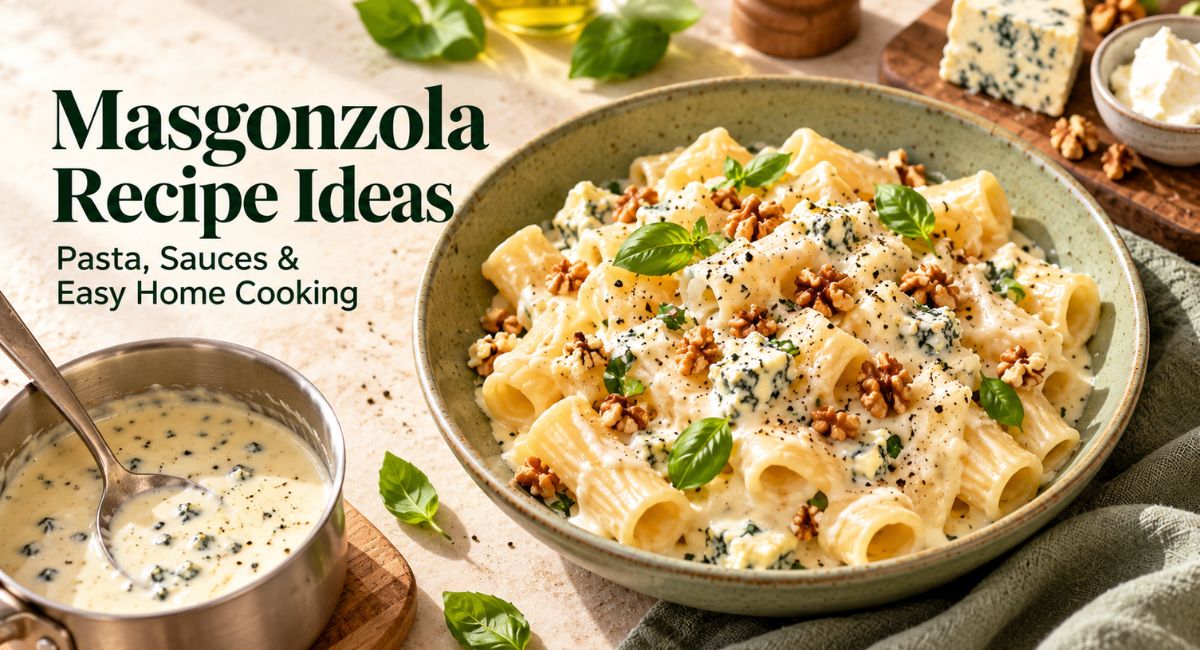
A bowl of creamy pasta can turn a busy evening into a proper sit-down meal. You do not need a long shopping list to make it taste good. Masgonzola brings together the smooth feel of mascarpone and the stronger flavour of Gorgonzola, making it useful for quick sauces and simple dinners. A little can also add flavour to vegetables, potatoes or warm toast. The cooking ideas below give you clear amounts and simple methods, with room to adjust the taste. Start with one dish, then use the same basic skills to try something different.
What Is Masgonzola and How Does It Taste?
Masgonzola combines Gorgonzola and mascarpone. Recipe publisher Betty Bossi describes a version with alternating layers of these two cheeses. Gorgonzola brings the blue cheese flavour, while mascarpone adds a rich, creamy texture. The taste depends on the cheeses used and their amounts. A blend made with mild Gorgonzola will taste different from one made with a stronger version.
When buying a pack, check its ingredients and storage instructions. For cooking, the most useful detail is how strong it tastes. Try a small piece before adding it to a dish. This helps you judge how much you need and whether the finished sauce will need extra salt. You can always add more cheese later.
Make a Simple Masgonzola Blend at Home
If you cannot find a ready-made pack, try mixing the two cheeses yourself. For a small batch, use 75 grams of mascarpone and 75 grams of mild Gorgonzola. Remove the rind from the blue cheese, then mash it with a fork. Fold in the mascarpone until the mixture is fairly smooth. A few small blue cheese pieces are fine.
This equal mix is a starting point, so adjust it to suit your taste. Add more mascarpone for a gentler flavour or a little more Gorgonzola for a stronger one. For a cold spread, keep the mixture thick. For a sauce, loosen it with milk in the pan. Keep unused cheese covered in the fridge and follow the shorter storage period shown on either pack.
Creamy Masgonzola Pasta for Two
For two servings, prepare 200 grams of dried penne, 120 grams of the cheese blend and 60 millilitres of milk. Cook the pasta according to its packet instructions, keeping it slightly firm. Before draining, save a mug of the cooking water. While the pasta cooks, warm the milk in a wide pan over low heat. Add the cheese in small pieces and stir gently until it melts.
Add the drained pasta and toss until coated. Stir in the saved water one tablespoon at a time until the sauce moves easily around the pasta. Finish with black pepper and chopped parsley. Taste before adding salt because the cheese already supplies some. Serve straight away, as the sauce thickens while it stands. A tomato salad makes a fresh side dish without adding more work.
Mushroom and Spinach Pasta for a Fuller Meal
Mushrooms and spinach turn the basic pasta into a more filling dinner. For two people, slice 200 grams of mushrooms and wash two handfuls of spinach. Heat one tablespoon of olive oil in a frying pan. Cook the mushrooms over medium heat until their liquid has reduced and their edges start to brown. Add one chopped garlic clove and stir for about 30 seconds.
Lower the heat, then add 100 grams of Masgonzola and a splash of milk. Stir until smooth before adding the spinach. Let the leaves soften, then mix in 200 grams of cooked pasta. Use pasta water to adjust the thickness. Cooking the mushrooms first helps prevent a watery sauce. If using frozen spinach, thaw it and squeeze out excess water before adding it.
A Quick Masgonzola Sauce for Vegetables
A cheese sauce can give plain vegetables more flavour without covering them completely. For two servings, warm 80 millilitres of milk in a small saucepan. Add 100 grams of the cheese blend and stir over low heat until melted. Season with black pepper. If the sauce is too thick to pour, add another small splash of milk and stir again.
Spoon it over cooked broccoli, roasted cauliflower or steamed green beans. Drain steamed vegetables well before serving so their water does not thin the sauce. For roasted vegetables, add the sauce after they leave the oven. This keeps their browned edges more noticeable. Start with a small spoonful on each plate and serve the rest separately, letting everyone choose how much they want.
Tomato and Cheese Sauce for a Softer Flavour
Tomatoes offer a useful change from a fully creamy sauce. For two servings, soften one small chopped onion in a tablespoon of olive oil. Add a chopped garlic clove, then 300 grams of chopped tomatoes. Simmer for about 15 minutes, stirring now and then, until the mixture thickens. Reduce the heat before stirring in 70 grams of Masgonzola.
The cheese adds richness while the tomatoes remain the main flavour. Mix the sauce with cooked fusilli or spoon it over roasted aubergine. If the tomatoes taste sharp, cook them a little longer before adding the cheese. Finish with torn basil leaves. Avoid adding several strong seasonings at once, as this makes it harder to judge what the sauce needs. Taste after each small change.
Soft Gnocchi With Peas and Black Pepper
Gnocchi are soft potato dumplings that work well with a creamy coating. For two people, use a 400-gram pack and follow its cooking instructions. Prepare a sauce with 100 grams of the cheese blend and 70 millilitres of milk. Warm these gently in a wide pan while the gnocchi cook. Cook 100 grams of frozen peas separately according to their packet instructions.
Drain the gnocchi and peas, then fold them into the sauce. Stir carefully so the dumplings keep their shape. Add black pepper and a little chopped parsley. If the sauce becomes too thick, loosen it with a spoonful of warm water. Serve in warm bowls. The peas add colour and a mild sweetness, so this dish needs few extra ingredients to feel complete.
A Potato Bake With a Golden Top
For a small bake serving three or four as a side dish, thinly slice 600 grams of peeled potatoes. Boil them gently for five to seven minutes, then drain carefully. Warm 150 millilitres of milk with 120 grams of the cheese blend until smooth. Place the potatoes in a lightly oiled baking dish, pour over the sauce and add black pepper.
Scatter two tablespoons of breadcrumbs across the top and bake at 190°C in a conventional oven. Start checking after 25 minutes. The potatoes should be tender when pierced with a knife, and the sauce should be bubbling. If the top browns before the potatoes soften, cover it loosely with foil. Let the dish stand for five minutes before serving with a green salad or cooked vegetables.
Easy Toast and Pizza Ideas
For a quick lunch, spread a thin layer of Masgonzola over thick slices of toasted bread. Add cooked mushrooms or sliced pear, then place under a hot grill until the cheese softens. Watch closely because bread can burn quickly. Finish with black pepper. The warm topping works best on firm toast that can hold its weight without becoming soggy.
You can also place small spoonfuls of the blend on a pizza before baking. Use it alongside mozzarella rather than covering the whole base with it. Cook wet toppings, such as mushrooms, beforehand and drain them well. Bake according to your dough or pizza base instructions. A few fresh rocket leaves added afterwards bring a crisp finish and balance the rich cheese.
Stir the Cheese Into a Simple Risotto
For two servings, soften a small chopped onion in one tablespoon of olive oil. Add 160 grams of risotto rice and stir for a minute. Keep about 700 millilitres of vegetable stock hot in another pan. Add it gradually, stirring often and letting each addition mostly absorb before pouring in more. Begin tasting the rice after about 18 minutes.
When the rice is tender but still slightly firm in the centre, turn off the heat. Stir in 80 grams of the cheese blend. Add a little more hot stock if needed so the risotto spreads gently on the plate. Cooked peas or roasted squash can go in at the end. Taste before seasoning, especially if your stock is already salty, and serve immediately.
Simple Swaps When Ingredients Are Missing
If you are making Masgonzola at home without mascarpone, plain cream cheese can offer a different but useful base. Its taste is usually more tangy, so expect a change in flavour. Start with a small amount of blue cheese and increase it gradually. Avoid flavoured cream cheese unless its herbs or seasonings clearly suit the dish you are planning.
Without Gorgonzola, another mild blue cheese can work, although the result will have its own character. If you dislike blue cheese altogether, try a sauce made with cream cheese and a little grated cheddar. It will be a different sauce, but it can still suit pasta or vegetables. For vegetarian meals, check the cheese labels rather than assuming every variety is suitable.
Common Sauce Problems and How to Fix Them
A sauce that looks oily may have become too hot. Take the pan off the heat and stir gently, adding a small splash of warm milk. This may help bring it together, although a badly split sauce may stay uneven. To reduce the chance of this happening, melt the cheese slowly and avoid a hard boil. Finish cooking vegetables before adding the dairy mixture.
If the sauce is thick, add liquid gradually rather than pouring in a full cup. If it is thin, toss it with the hot pasta and check again before making another change. Pasta absorbs some liquid as it stands. For a sauce that tastes too strong, add a little mascarpone or more plain cooked pasta. Extra salt will not soften the blue cheese flavour.
Plan Portions and Store Leftovers Carefully
Choose a smaller pack if you only plan to cook one meal. You can chop mushrooms or prepare vegetables ahead, then make the cheese sauce just before serving. Keep unused cheese refrigerated and follow its use-by date and instructions after opening. For these pasta and vegetable dishes, cool leftovers promptly in shallow containers and refrigerate within two hours. Eat them within 48 hours or freeze them.
Reheat only the portion you need, and only once. Add a small splash of milk or water, stir regularly and make sure the food is steaming hot throughout. Gentle stirring helps the sauce warm evenly. These leftover instructions apply to the pasta and vegetable dishes above. Cooked rice needs separate care, so make the risotto in the amount you expect to eat at that meal.
Conclusion
Masgonzola offers several ways to add a creamy blue cheese flavour to everyday cooking. Begin with a simple pasta sauce, then try mushrooms, vegetables or a potato bake when you want a change. The most useful habits are gentle heat, careful seasoning and adding liquid in small amounts. Keep the other ingredients simple so you can judge the flavour clearly. With those basics in place, you can adapt each dish to the ingredients you have and the strength of cheese you enjoy.
(FAQ’s)
1. Can I Make Masgonzola Without Mascarpone?
Yes, use plain cream cheese instead, but expect a slightly more tangy flavour.
2. Which Pasta Shape Should I Use?
Penne, fusilli and rigatoni work well because they hold creamy sauce.
3. Do I Need to Add Cream?
No, milk or a little pasta cooking water can give the sauce the right thickness.
4. What Can I Serve With These Dishes?
Serve them with a green salad, sliced tomatoes or steamed vegetables.
5. How Can I Make the Flavour Milder?
Add more mascarpone or use less blue cheese for a milder flavour.
Visit for more additional information: Loom Magazine