Behind Woody Harrelson’s success is a mother who worked hard to care for three sons. Diane Lou Oswald helped raise her children through years of financial pressure and changes at home. Her life connects the demands of earning a living with the everyday work of being a parent. Although she has remained far less visible than her famous son, Woody has often spoken warmly about her. His memories reveal the lasting place she holds in his life.
Diane Lou Oswald Biography Details
| Detail | Information |
|---|---|
| Full name | Diane Lou Oswald |
| Also known as | Diane Harrelson |
| Best known for | Being Woody Harrelson’s mother |
| Hometown | Lebanon, Ohio, United States |
| Occupation | Legal secretary |
| Former husband | Charles Voyde Harrelson |
| Marriage date | February 26, 1958 |
| Marriage location | Pasadena, Texas |
| Divorce year | 1964 |
| Number of children | Three sons |
| Children’s names | Jordan Kenneth, Woodrow “Woody” Tracy, and Brett V. Harrelson |
| Religious background | Presbyterian Christianity |
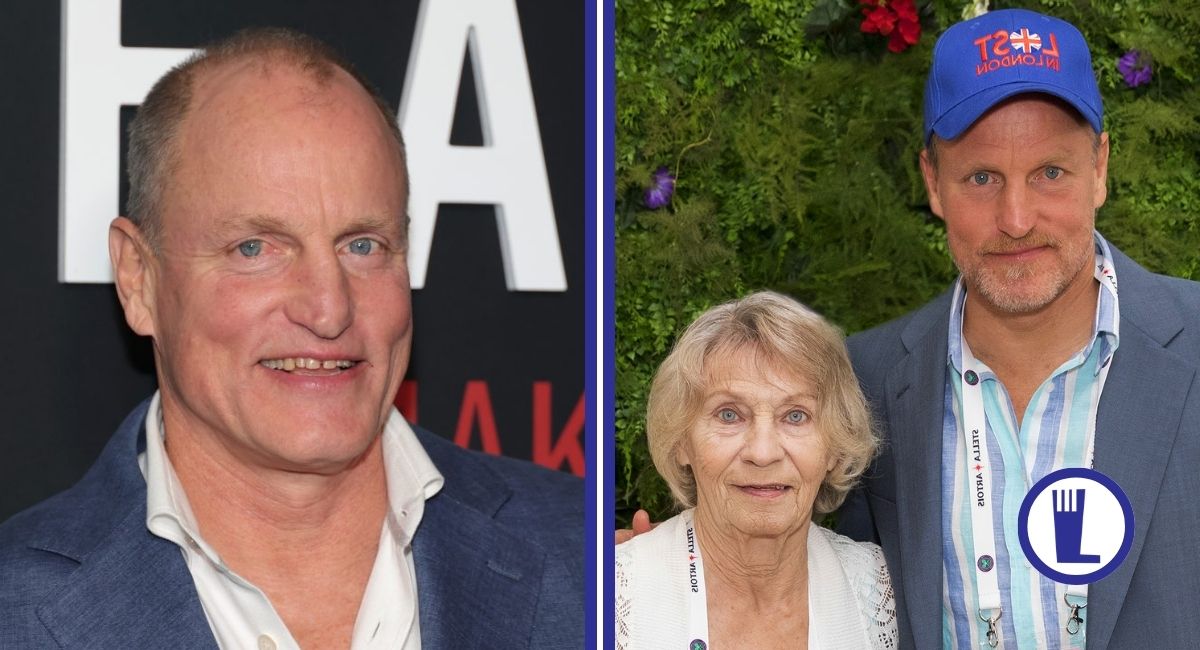
| Public appearance with Woody | Wimbledon in London on July 15, 2017 |
| Exact birth date | Not publicly confirmed |
| Personal net worth | Not publicly confirmed |
Who Is Diane Lou Oswald?
She is best known as the mother of American actor Woody Harrelson. She is also the mother of his brothers, Jordan and Brett. Her maiden name is Oswald, while Diane Harrelson is another name associated with her. Most of the public attention around her comes through Woody’s long career in television and film. However, the work she did to support her children began many years before he became famous.
Diane Lou Oswald comes from Lebanon, Ohio, a town that later became an important part of her sons’ childhood. She moved there with the boys when Woody was around twelve. He had spent his earlier years in Texas, so his upbringing included both states. Ohio became the setting for his teenage years, while the care provided by his mother and older relatives remained a central part of his early life.
Her Marriage to Charles Harrelson
Diane Lou Oswald married Charles Voyde Harrelson on February 26, 1958, in Pasadena, Texas. They had three sons together, including Woodrow Tracy Harrelson, who would later become known as Woody. Their marriage ended in divorce in 1964. These dates mark an early chapter in her life, before Woody’s acting career and before Charles’s later crimes brought wider attention to the Harrelson name.
Charles was frequently absent during the boys’ childhood. He later received a conviction for killing federal judge John H. Wood Jr. and died in prison in 2007. His criminal history created a difficult background for the children to grow up with. Woody eventually developed a relationship with his father as an adult, but his mother carried the main responsibility during his upbringing. Her place in his childhood was built around daily care and a steady presence.
Raising Three Sons With Help From Older Relatives
Raising Jordan, Woody, and Brett involved more than caring for one future actor. There were three children with their own needs and personalities. Their mother carried much of the responsibility, with help from their grandmother and great-grandmother. Woody has remembered the women around him as kind and caring. Growing up among several generations of women gave him close contact with different personalities, including a quiet grandmother and a great-grandmother who enjoyed telling stories.
For Diane Lou Oswald, motherhood also meant making a limited income cover the needs of a growing household. Woody has said that money was tight, but his mother made sure the children had food and were looked after. That memory is central to how he describes her. The hardship was real, yet so was the care he received. His childhood story includes both financial difficulty and the security of knowing that his mother was working to meet the boys’ needs.
Her Working Life as a Legal Secretary
Diane Lou Oswald worked as a legal secretary while supporting her children. This type of work involves office duties connected with legal matters. It can include preparing documents, arranging files, handling communication, and helping an office run smoothly. Her complete employment history is not public, so the names of all her employers and the exact duties she held cannot be listed with confidence. What is clear is that paid work formed an important part of her life.
Woody has recalled that his mother did not earn much and was often concerned about money. Her wages had to support ordinary household needs long before he had the income of a successful actor. This makes her employment more than a small detail in her biography. It helps explain the effort behind the childhood he remembers. A full working day did not remove her responsibilities at home; she was also raising three sons and responding to their individual needs.
Helping Woody Find the Right School Support
Diane Lou Oswald supported Woody when his early school years became difficult. He needed a learning environment that could respond to his needs, and she helped arrange a suitable school. Woody has spoken about this with appreciation as an adult. The decision offers a clear example of her care in practice. She recognised that he needed help beyond an ordinary classroom and took steps to make that support possible.
Woody’s early difficulties are also a reminder that the confident performer audiences know was once a child who struggled at school. His later success should not hide that part of his childhood. His mother’s response belongs to the story of how he was supported during those years. It shows a parent dealing with the child in front of her, with real needs that existed long before anyone could know where his talent might lead.
Faith and the Religious Life at Home
Christian faith was an important part of the household. Diane was a committed Presbyterian, and Woody grew up attending church and taking part in Bible study. Religious learning also happened at home. He became deeply involved during his teenage years and even gave a short sermon while still in high school. These experiences show how closely faith was connected to his early routine and the values around him.
As Woody grew older, his beliefs changed. He studied at Hanover College and began to question parts of the religion he had followed as a child. Even so, he continued to speak with appreciation about his mother and her influence. Their story shows that a parent’s place in an adult child’s life can remain important as beliefs develop. For Woody, the care he received and the lessons about treating people well continued to matter.
The Humour Woody Remembers
Her story also includes a lighter side. Woody once remembered a letter his mother wrote about the burden of taxes. It mixed frustration about money with a sharp sense of humour. Reading it made him laugh, while also helping him understand the pressure she faced. That small memory adds a personal detail to the picture of a woman managing work, children, and a household budget.
The letter matters because it captures more than a financial problem. Woody remembered the way his mother expressed herself, including her ability to make a serious complaint funny. It is one of the moments through which her personality becomes clearer. Alongside his memories of hard work and religious commitment, there is a mother with wit, a voice of her own, and a way of making an impression on her son.
Learning to Appreciate Her Sacrifices
Woody has also been open about moments when he did not understand his mother’s choices. During a period of childhood rebellion, an aunt helped him recognise the sacrifices she had made for him. That conversation became part of his later understanding of her. It gives their relationship a human side, with frustration and changing views as well as affection. A child’s first reaction does not always reflect the understanding that comes with age.
For Diane Lou Oswald, the effort of parenting was happening while her children were still too young to see all of it. Woody’s adult memories suggest that he came to understand more of what she had managed. He could look back at her work and decisions with greater appreciation. His praise carries that sense of looking again at familiar childhood events and seeing the responsibility his mother had been carrying throughout them.
The Values She Passed on to Woody
Woody has credited his mother with teaching him compassion. He has also connected her with his concern for nature, his energy, and his willingness to work. These qualities help explain why her influence reaches beyond the basic facts of his childhood. He remembers the kind of person she was in everyday life. Her interest in the world around her became something he recognised in himself as an adult.
He has also spoken about learning to treat people well and behave with honour. Those lessons were personal and practical. They concerned the way a person acts towards others, rather than a public image or a professional achievement. Woody has not presented himself as someone who always lives up to every lesson. His willingness to recognise that makes his appreciation of her example more direct: he knows the values she taught, even when he falls short.
Her Connection to Woody’s Acting Journey
Woody graduated from Hanover College in 1983 after studying English and theatrical arts. He then moved to New York to pursue acting. His breakthrough came when he joined Cheers as bartender Woody Boyd in 1985. The role made him familiar to television audiences, and he won an Emmy for his performance in 1989. His career later expanded into films, including White Men Can’t Jump, Natural Born Killers, and The Hunger Games.
His growing fame brought attention to the people connected with his early life. For his mother, that meant becoming known to a public that had first met her son through his performances. Her place in his story remains closely tied to his upbringing. The support he describes came before professional success, awards, and public recognition. Understanding that earlier part of his life gives more meaning to the affection he has expressed for her over the years.
Public Appearances and Her Private Life
She has appeared beside Woody at public events, including film occasions and sporting events. One known appearance was at Wimbledon in London on July 15, 2017. Seeing them together offers a glimpse of their relationship outside stories about his childhood. These occasions show that she has shared some public moments with him, even though she has never had the same public profile as her son.
Many other details remain private. Her exact birth date, current age, personal finances, and present daily activities are not publicly confirmed. An older public appearance cannot establish those details about her life today. The surname Oswald has also led to questions about a possible connection to Lee Harvey Oswald, but no known relationship has been established. These limits leave parts of her biography open while allowing the better-known parts of her life to be told clearly.
Conclusion
Diane Lou Oswald’s journey includes years of work, motherhood, faith, and care for three sons. Woody’s memories reveal how much he values the help he received, from support at school to the everyday effort of keeping a household going. Her influence also appears in the compassion and respect he says she taught him. Although much of her personal life remains private, her place in her son’s story is clear: she was a central figure in the childhood that helped shape him.
(FAQ’s)
1. Who is Diane Lou Oswald?
She is Woody Harrelson’s mother and a former legal secretary who raised three sons.
2. Who was her husband?
She was married to Charles Voyde Harrelson, and they divorced in 1964.
3. How many children did she have?
She had three sons: Jordan Kenneth, Woodrow “Woody” Tracy, and Brett V. Harrelson.
4. Where did she raise her sons?
The boys spent their childhood in Texas and later in Lebanon, Ohio.
5. What is her exact age?
Her exact birth date has not been publicly confirmed, so a precise age cannot be given.
You may also read: Who Is Taina Smits? The Personal Life Story of Jimmy Smits’ Daughter
Visit for more additional information: Loom Magazine