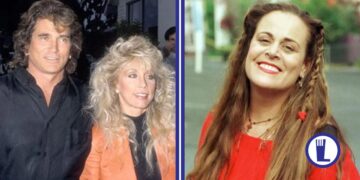
Wil Bakula may first catch your attention because of his famous father, but his music gives you another reason to know his name. The son of actor Scott Bakula and actress Chelsea Field works as a producer, songwriter, and musician. He is part of Foamboy, a pop duo whose songs bring together dance rhythms and personal stories. His career includes university performances, an earlier band, several albums, and live shows across the American West Coast.
Wil Bakula Biography and Personal Details
| Detail | Information |
|---|---|
| Public name | Wil Bakula |
| Profession | Musician, music producer, and songwriter |
| Father | Scott Bakula |
| Mother | Chelsea Field |
| Brother | Owen Bakula |
| Half-siblings | Chelsy Bakula and Cody Bakula |
| University | Willamette University in Salem, Oregon |
| Earlier music project | Chromatic Colors |
| Current music project | Foamboy |
| Main creative partner | Katy Ohsiek |
| Main instruments | Keyboards, piano, and synthesizers |
| Other credited instruments | Drums and bass on earlier recordings |
| Music scene | Portland, Oregon |
| Foamboy debut album | My Sober Daydream, released in 2021 |
| Second Foamboy album | Eating Me Alive, released in 2024 |
| Third Foamboy album | Stupid Hot, released in July 2026 |
Family Background and His Parents
Wil Bakula comes from a family with strong ties to acting. His father is known for playing Sam Beckett in Quantum Leap, Captain Jonathan Archer in Star Trek: Enterprise, and Dwayne Pride in NCIS: New Orleans. His mother also has a long acting career. Chelsea Field appeared in films such as Masters of the Universe and later played Rita Devereaux in NCIS: New Orleans. Both parents therefore have a public connection to television, film, and performance.
Scott and Chelsea married in 2009 and share two children, Wil and Owen. Scott also has two older children, Chelsy and Cody, from his earlier marriage to Krista Neumann. This makes Owen his brother and Chelsy and Cody his half-siblings. These family details explain the public interest in his surname. His own professional story, however, is best understood through the music he has helped create. His main documented creative work is in recording and performing.
Education and Early Musical Interests
Wil Bakula attended Willamette University in Salem, Oregon, where music was part of his student life. In 2017, he received a Carson Grant for a project about musicians in Portland and New Orleans. The project looked at how culture affects the creative process, with music professor Mike Nord as his sponsor. This gives a useful picture of his interests at the time. He was studying the people and places behind music, alongside developing his own work.
His university activity also included playing piano. A 2018 student performance placed him in a group with bass, trombone, and alto saxophone players. Together, they performed collective improvisations, creating music through their responses to one another. These details provide a clearer account of his early development than an unconfirmed list of childhood achievements would. They show a young musician taking part in both musical research and practical performance, with other students sharing the stage.
The Chromatic Colors Years
Before Foamboy, he worked with Katy Ohsiek and guitarist David Guzman in Chromatic Colors. The project gave the musicians room to try different sounds and arrangements. One release, My Friends, Starstruck, arrived in September 2018. Its credits list him on keyboards, drums, and bass, as well as mixing. That range of tasks shows that his work already extended beyond playing a single instrument. He was involved in both performing the music and shaping the recorded result.
The group released Nature / Nurture in May 2019. He shared writing credits with Ohsiek and Guzman and also mixed the album. For anyone following his career, these recordings are useful early milestones. They establish that his production work existed before Foamboy’s first album. They also connect the two projects through people who continued making music together. The change of band name came after several years of shared work, rather than marking the start of a completely new partnership.
How Wil Bakula and Katy Ohsiek Formed Foamboy
The pair’s musical partnership dates back to 2016. They met in Salem and developed their working relationship through earlier projects. Foamboy took shape during the shutdowns of 2020, when they began moving towards a more focused sound. Their new project placed Ohsiek’s voice alongside his production. Although other players would later contribute to recordings and concerts, the two remained the central creative partners. This helps explain why Foamboy is described as a duo even when a larger band performs.
Distance played a part in the first album’s creation. Ohsiek was studying in Corvallis while he was living in Portland, so much of their work travelled through email. They could build songs together without being in the same room each day. In discussing that period, the musicians described a move away from accepting every musical idea towards choosing what suited the project. One way to understand this change is as a move from broad experimentation to a clearer shared direction.
His Work as a Music Producer
Wil Bakula has several roles within a recording. A producer helps guide how a song develops, from its early ideas to the finished version. His older credits include mixing, which involves balancing recorded parts so they work together. His instrumental work adds another layer to that role. Playing keyboards, drums, or bass allows him to contribute musical parts directly. His career therefore includes both the creative choices behind a song and some of the performances heard in it.
The credits for Eating Me Alive show this combination clearly. He co-wrote and produced the record and played keyboards, piano, and synthesizers. Other musicians contributed guitar, bass, drums, trumpet, and additional parts. This is useful context for understanding his job. A producer can have a strong influence while still working closely with a team. The finished recording brings those contributions together, rather than depending on one person to perform every sound or handle every stage of production.
What Kind of Music Does Foamboy Make?
Foamboy’s music combines pop with elements of jazz, disco, funk, and electronic music. That may sound like a wide mix, but a simple starting point is danceable pop with detailed instrumental parts. Synthesizers provide electronic sounds, while keyboards and other instruments help support the songs. The duo’s work also has a strong focus on lyrics. The words can deal with difficult feelings even when the rhythm makes the song suitable for dancing.
“Better” offers a clear example of that approach. The song brings a disco rhythm together with themes involving low moods, daily pressure, and the struggle to get moving. The upbeat music and difficult subject matter sit side by side. For a new listener, this combination is an important part of the duo’s appeal. You can follow the rhythm first, then return to the words and find a more personal story beneath the surface.
My Sober Daydream and the Debut Album
Foamboy released My Sober Daydream on 1 October 2021. The album includes songs such as “Better,” “Peach Smoothie,” and “Backseat.” It introduced the project’s mix of personal writing and dance music. The release also gives new listeners a clear place to begin following the duo’s album history. Although the musicians had already worked together for years, this was their first full album under the Foamboy name.
The visual side of the project helped guide its sound. During the album’s creation, he used the cover artwork as a starting point for the mood of the production. He wanted the music to carry warmth, colour, and texture. Recording during the pandemic brought practical delays, but the extra time also allowed him to edit carefully. His description of that process suggests that choosing what to remove was as important as deciding what to add.
Eating Me Alive and the Next Stage
Wil Bakula continued his production work on Eating Me Alive, Foamboy’s second album, released in 2024. The record grew partly from the group’s live performances and work with other instrumentalists. Ohsiek described it as darker than the debut, while still keeping a sense of fun. Its writing follows a difficult relationship and its aftermath. Those themes belong to Ohsiek’s account of the album and should not be treated as a direct record of his private relationships.
Songs including “Smoke Machine,” “Song About You,” and “Exit Sign” give listeners several entry points. The album’s credits also show a wider range of performers, including trumpet and percussion contributions. Compared with the debut’s remote writing process, this offers a different view of how the project developed. The duo was drawing on the experience of playing with a band and bringing those shared performances into its recorded music.
Phone and Music Between Albums
The duo also released music outside its main album cycle. “Phone,” released in 2025, focuses on the pull of smartphones and the wish to spend time away from them. Ohsiek’s writing turns an everyday habit into a subject for a pop song. It is a useful example of how Foamboy’s lyrics can move beyond romantic relationships while keeping a personal point of view. The subject is familiar, even for someone hearing the group for the first time.
The release was accompanied by a show at Holocene in Portland in August 2025. This connects the single to the group’s wider performance activity. For someone following the career in order, songs between albums help fill the gaps between larger releases. They can show what a project is trying at a particular moment. An album list alone would miss this part of the duo’s continuing work.
Stupid Hot and His Music in 2026
Wil Bakula produced Foamboy’s third album, Stupid Hot, released on 10 July 2026. The eleven-track record includes “Far Away,” “Summering,” “Self Improvement,” “Loud Boy,” and “Waste of Time.” Its credits list him on keyboards, synthesizers, piano, and programmed drums. Ohsiek performed the vocals and wrote the lyrics, while both shared the music writing credit. These details make his continued role in the project clear.
The album moves further towards house-inspired dance music. Its themes include getting older, feeling disconnected, climate concerns, and pressure to meet other people’s expectations. That makes it a useful later chapter for listeners comparing the duo’s releases. The personal writing remains central, while the musical direction continues to change. By July 2026, Foamboy had released three albums, giving his career a substantial history beyond the earlier Chromatic Colors recordings.
Live Shows and Festival Appearances
Foamboy’s career includes regular connections with Portland’s live music scene. The group has played venues including Holocene and Mississippi Studios. A January 2024 Portland Music Month event also placed the band on a bill with Spooky Boys and Dakota Theim. These local shows matter because they put the recordings in front of an audience. They also give listeners another way to experience a project that began partly through remote writing.
The band’s wider performance history includes West Coast touring and festival appearances such as Pickathon, Timberfest, and Belltown Bloom. Onstage, additional instrumentalists can join the central duo. This explains the difference between the group’s writing partnership and its live setup. Two people may lead the creative work, while a larger group performs it. The festival and venue history also shows that the music has an audience beyond people searching for a famous actor’s family.
Personal Life, Relationships, and Net Worth
His public music career is much easier to describe than his current relationship status. A spouse or romantic partner has not been reliably confirmed in the material available for this profile. His long musical partnership with Ohsiek should therefore be described as a working relationship. Writing, recording, and performing together do not establish a romantic connection. Keeping that distinction clear avoids turning a documented collaboration into a personal claim.
His personal net worth is also not publicly confirmed. There is no sound basis for calculating it from his father’s success or from the number of albums he has released. Music credits tell us about the work someone completed, rather than their bank balance. A useful account of his life can explain his education, family, recordings, and performances without attaching a financial estimate that cannot be checked.
Conclusion
Wil Bakula has built a documented career through music production, instrumental work, and collaboration. His family connection explains some of the interest in him, while Chromatic Colors and Foamboy explain his professional path. From university performances to three Foamboy albums, his work shows a continuing commitment to music. For readers who want to understand him beyond his surname, the recordings offer the clearest starting point.
(FAQ’s)
1. What does Wil Bakula do for a living?
He is a musician, songwriter, and producer who works with the pop duo Foamboy.
2. Who are his parents?
His parents are actor Scott Bakula and actress Chelsea Field.
3. Who is his musical partner in Foamboy?
He works with vocalist and lyricist Katy Ohsiek.
4. What band was he in before Foamboy?
He worked in Chromatic Colors with Katy Ohsiek, David Guzman, and other musicians.
5. What is Foamboy’s third album?
Stupid Hot, produced by him, was released on 10 July 2026.
You may also read: Who Is Tacoma Simmons? The Personal Life and Family Story of DMX’s Son
Visit for more additional information: Loom Magazine