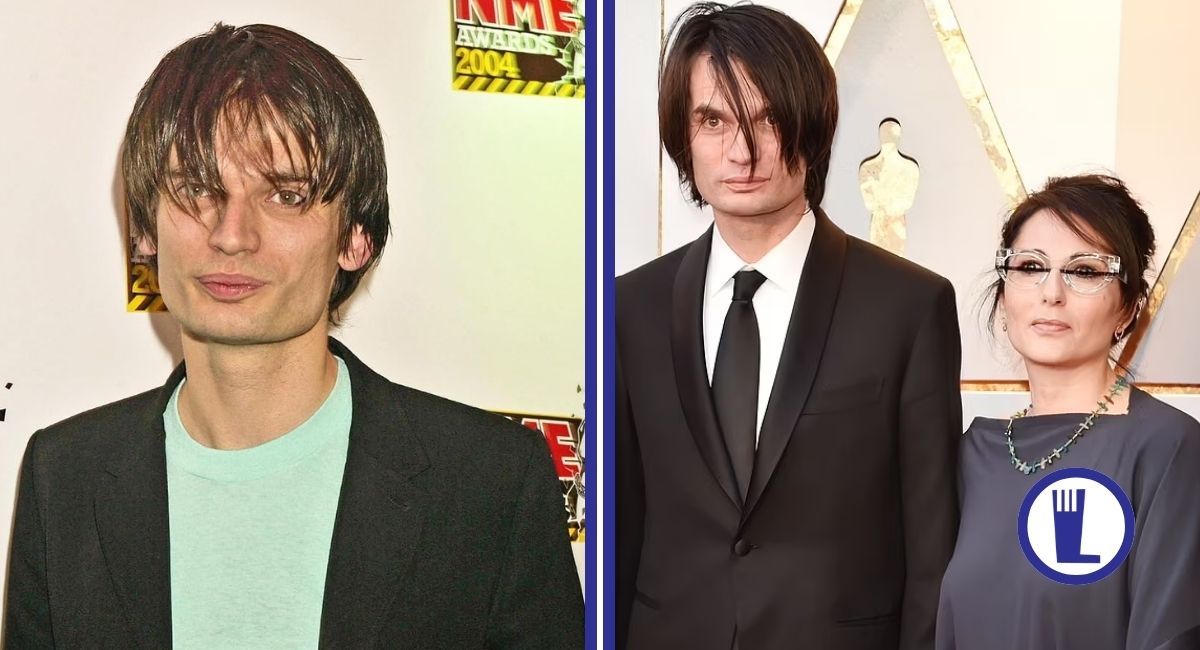
An album cover can catch your eye before you hear a single note. For Sharona Katan, that connection between pictures and music is part of a documented art career. The Israeli visual artist, also known professionally as Shin Katan, has contributed artwork and photography to several music projects. She is married to Radiohead guitarist and composer Jonny Greenwood, but her own credits offer plenty to discuss. From gallery prints to film soundtrack covers, her work gives readers a way to understand the artist as well as the person behind the name.
Sharona Katan Quick Biography
| Detail | Information |
|---|---|
| Full name | Sharona Katan |
| Professional name | Shin Katan |
| Nationality | Israeli |
| Profession | Visual artist and photographer |
| Husband | Jonny Greenwood, Radiohead musician and film composer |
| First meeting | Reported to have met Greenwood in Israel in 1993 |
| Children | Three, according to published reporting |
| Art approach | Her portfolio uses the term “photographic sculpture” |
| Documented exhibition | Stilleven, O3 Gallery, Oxford, 2010 |
| Soundtrack credits | There Will Be Blood, Norwegian Wood, The Master and Inherent Vice |
| Other music projects | Junun and Jarak Qaribak |
| Reported home locations | Oxfordshire, England, and Marche, Italy |
| Exact birth date | Not confirmed by the primary sources used here |
Who Is Sharona Katan?
Sharona Katan is an Israeli artist whose public work includes photography, album artwork and art direction. Her career can be traced through an official portfolio and music release credits. These records offer concrete examples of what she has done. They also help explain why her name appears in discussions about both visual art and Greenwood’s musical projects. The term visual artist describes someone who works with images or physical objects. In her case, photography and published artwork provide the clearest public examples. These labels describe her professional activity without assuming that she works in every branch of the arts.
Her husband is known for playing guitar in Radiohead and composing film scores. That connection brings many readers to her biography, yet the album booklets reveal her own contributions. She has supplied visual work for releases with different subjects and settings. Following these projects helps readers understand the releases she contributed to and the people she worked with. It also gives curious music fans a useful starting point.
Why She Works as Shin Katan
Readers researching Sharona Katan may notice that many professional credits use Shin Katan. These names refer to the same artist. The official notes for Jarak Qaribak identify her by both names, while her portfolio uses Shin Katan. This connection matters because a search under only one name can leave out useful information about her work.
The soundtrack for There Will Be Blood credits Shin Katan for artwork. Nonesuch’s publicity pages use that name for photographs of Greenwood, too. Following those credits helps readers connect her personal name with the name used for her professional work. There is no need to guess why she chose it. The public record establishes the connection between the names, but it does not explain every personal reason behind that choice.
Photography and Gallery Exhibitions
Her official website describes her practice as photographic sculpture. That term suggests an interest in photography as a physical artwork, including its surface, scale and presence. The portfolio also contains dated sections from before 2002, several parts of 2002, 2007–2008 and 2009. These entries provide a record of projects across different periods, although they do not explain every stage of her training.
The site lists Stilleven, an exhibition at Oxford’s O3 Gallery in 2010, where she showed large prints. It also records a Mannish Trousers exhibition in 2009. These details establish gallery activity alongside her music-related work. Large prints give viewers a different experience from a small album image: details, texture and the space around a picture can become more noticeable. For anyone interested in her artistic practice, the exhibition record is therefore a useful part of the story.
Artwork for There Will Be Blood
One documented credit for Sharona Katan is the soundtrack artwork for There Will Be Blood. Nonesuch Records names Shin Katan as the album artist. Greenwood composed the score for Paul Thomas Anderson’s film, and the soundtrack was first released by the label in 2007. The album connects her visual work with a major project in her husband’s composing career.
Her portfolio includes this release in its album artwork archive. The archive explains that much of the soundtrack artwork draws on the films’ original camera work and separately credits sleeve designers. This gives readers a useful distinction between creating artwork and designing the complete package. A finished cover can involve several contributors. When examining this album, reading the printed credits alongside the image helps show which parts of the release belong to each creative role.
More Film Soundtrack Projects
Her soundtrack work extends to several other releases. Nonesuch credits Shin Katan with album artwork for Norwegian Wood, released in 2011, and The Master, released in 2012. These projects place her work alongside films with different stories and settings. Norwegian Wood is based on Haruki Murakami’s novel, while The Master is another collaboration between Greenwood and director Paul Thomas Anderson.
Inherent Vice, released as a soundtrack in 2014, also carries her artwork credit. Its production details separately name Robert Elswit for photography, Travis Millard for comic illustrations and Dustin Stanton for design. Those distinctions are valuable when discussing her career. They show a shared production process with clearly named responsibilities. Readers can recognise her contribution while also acknowledging the other artists involved. The repeated credits across these releases establish a continuing connection with soundtrack artwork, rather than a single appearance on one album.
Sharona Katan and the Junun Project
Junun offers a particularly clear view of her wider contribution to a music project. Released in 2015, the album brought together Shye Ben Tzur, Greenwood and the Rajasthan Express. It was recorded at Mehrangarh Fort in Jodhpur, India, with producer Nigel Godrich. The music includes singing in Hebrew and Urdu, bringing several musical traditions into the same recording project.
Nonesuch credits her with conceiving the original project. It also lists Shin Katan and Ian Patrick as art directors, with the cover photography and artwork credited to Shin Katan. Patrick receives separate credits for design and booklet photography. Her involvement therefore includes both the project’s original idea and its visual presentation. Paul Thomas Anderson documented the recording sessions in a film of the same name. These official details make Junun an important example when discussing her career, while keeping each person’s contribution clear.
Her Artwork for Jarak Qaribak
Another documented project is Jarak Qaribak, the 2023 album by Greenwood and Dudu Tassa. The official artist notes identify Shin Katan as the creator of the album artwork. The release brings together songs and singers connected with different parts of the Middle East. Its title means “your neighbour is your friend”, a phrase that reflects the project’s interest in musical connections.
The notes also describe her roots through relatives from Iraq and Egypt. Greenwood discusses hearing Tassa’s music at home, providing a small glimpse of the musical surroundings connected with their relationship. This does not make her responsible for every influence on the album. Her artwork contribution is the clearly documented role. WBUR also credits an image of the two musicians to Shin Katan, adding another example of her photography connected with the release.
How She Met Jonny Greenwood
Published accounts place the first meeting between Sharona Katan and Greenwood in Israel in 1993, when Radiohead visited to perform. This was around the period of the band’s debut album, Pablo Honey. Reports about those visits describe an important early connection between Radiohead and Israeli audiences. For the couple, the visit also became the starting point of their personal relationship.
Their marriage is well documented in artist notes and reporting about Greenwood. Public sources provide far more detail about their professional projects than their wedding or daily relationship. A biography can acknowledge that difference without trying to fill it with imagined stories. Their credited collaborations offer something concrete to discuss: a musician and a visual artist have contributed different skills to shared releases. That is a useful way to understand the connection between their personal lives and creative careers.
Personal Life and Parenthood
Sharona Katan and Greenwood have three children and have lived in Oxfordshire and Marche, Italy. These broad details give readers some personal context, but they do not provide a full picture of the household. Her portfolio and album credits focus mainly on creative work, rather than regular updates about parenting or domestic life.
The main sources used for this profile do not establish her exact birth date, education history or personal net worth. Those gaps should stay clear when reading a biography. A precise age needs a reliable birthday, and a wealth figure needs evidence about finances. Her husband’s professional success cannot establish her individual earnings. Readers looking for a dependable introduction can focus on the information that has a clear public record: her profession, marriage, children and credited projects.
What Her Credits Reveal About Her Career
The range of credits makes several parts of her work easier to recognise. Album artwork, portrait photography, art direction and conceiving a project are different responsibilities. For example, an artwork credit identifies a contribution to the images used on a release. An art direction credit describes involvement in its visual approach. The wording matters because it explains what a person contributed to the finished project. In a shared project, a designer may arrange the pages and choose lettering while an artist develops the images. Reading the full credits gives each person appropriate recognition. For music fans who collect physical albums, the booklet is often the easiest place to find these details.
Her official photography credits include publicity portraits of Greenwood supplied through Nonesuch. These sit alongside gallery prints and soundtrack artwork, showing more than one setting for her images. A portrait introduces the person being photographed, while cover artwork introduces a release. Each has a different purpose, even when the same artist is involved. For a reader interested in the work, a helpful approach is to compare the cover, the booklet and the listed contributors. That allows each project to be understood on its own terms. It also keeps the biography connected to visible, credited work, where her professional contribution is clearest.
Conclusion
Sharona Katan has a documented career in visual art, photography and music-related projects. Working as Shin Katan, she has contributed to gallery exhibitions, soundtrack artwork and albums such as Junun and Jarak Qaribak. Her marriage to Jonny Greenwood explains part of the public interest, while her creative credits explain the work itself. Together, those records offer a useful introduction to an artist whose personal biography is less detailed than her professional portfolio.
(FAQ’s)
1. Who is Sharona Katan?
She is an Israeli visual artist and photographer married to Radiohead musician Jonny Greenwood.
2. Is Shin Katan the same person?
Yes. Shin Katan is the professional name used in her portfolio and many artwork credits.
3. Which film soundtracks feature her artwork?
Her credits include There Will Be Blood, Norwegian Wood, The Master and Inherent Vice.
4. What was her role in Junun?
She conceived the original project and received credits for art direction, cover photography and artwork.
5. How many children do the couple have?
Published reporting states that they have three children.
You may also read: Who Is Brandon Huger? The Private Life and Career Story of Karen Huger’s Son
Visit for more additional information: Loom Magazine