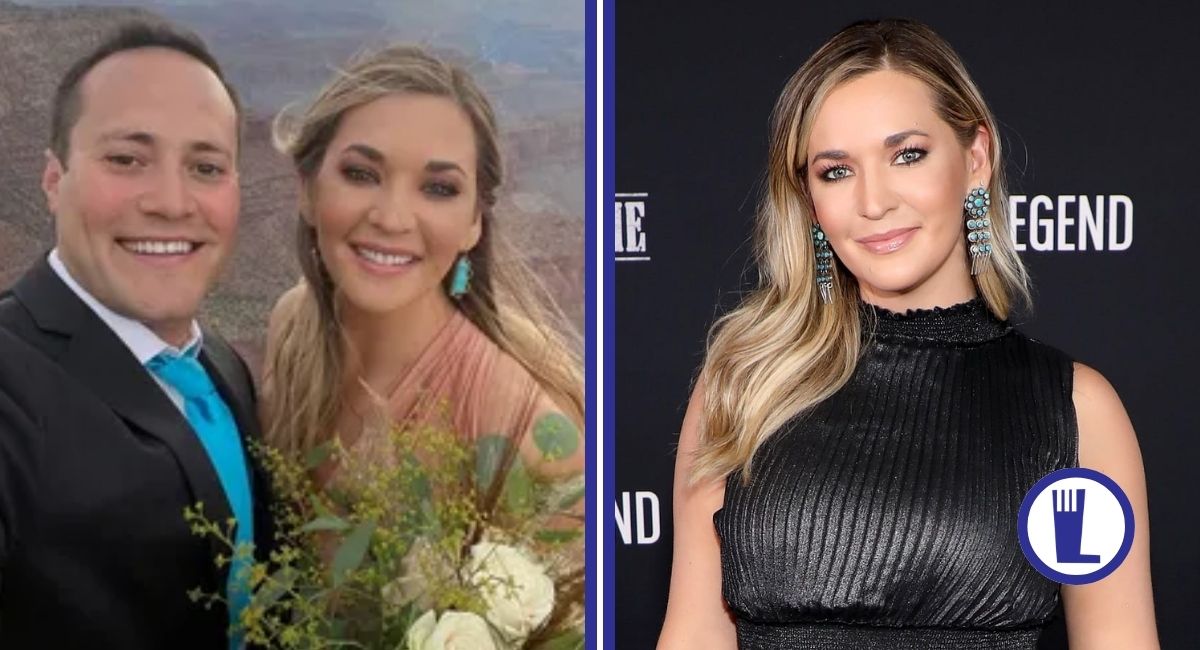
At an airport, on a city street or after a hurricane, emergency workers can find people who need help. Gavy Friedson has worked in all three settings. Many readers know him as Katie Pavlich’s husband, but his own story includes teenage volunteering, university study and international relief missions. His career connects the United States and Israel, with work ranging from treating individual patients to leading teams after major storms. Understanding that journey offers a fuller picture of his life than the marriage connection alone.
Gavy Friedson Biography Details
| Detail | Information |
|---|---|
| Full name | Gavriel Friedson |
| Known as | Gavy Friedson |
| Reported date of birth | 30 December 1988 |
| Age based on reported birth date | 37 as of October 2026 |
| Birthplace | Boca Raton, Florida, United States |
| Nationality | American-Israeli |
| Profession | Emergency management professional and emergency medical technician |
| Organisation | United Hatzalah of Israel |
| Listed role | Director of International Emergency Management |
| Undergraduate education | Communications, Reichman University |
| Graduate education | Public health, Tel Aviv University, specialising in emergency and disaster management |
| Military service | Nahal Infantry Brigade and IDF Spokesperson’s Unit |
| Wife | Katie Pavlich |
| Marriage date | 5 July 2017 |
| Documented relief work | Hurricane Irma, Hurricane Fiona and Hurricane Ian |
From Florida to Emergency Work in Israel
Public biographies describe Gavy Friedson as being born in Boca Raton, Florida, and moving to Israel at about ten years old. Emergency services later became an important part of his teenage years. A professional profile published by the Foundation for Defense of Democracies says he began saving lives at fifteen. This places the start of his rescue experience well before his marriage or his later international responsibilities.
United Hatzalah gives a more specific date for his involvement with its volunteers. In a 2020 account, the organisation says he joined as a volunteer emergency medical technician in 2006, when he was seventeen. The two ages describe different stages of his emergency work. Starting to help at fifteen and joining this particular organisation at seventeen should not be treated as the same event.
Education and Military Service
Gavy Friedson earned a bachelor’s degree in communications from Reichman University in Israel. He later studied public health at Tel Aviv University, focusing on emergency and disaster management. These subjects cover different needs within his field. Clear communication matters when explaining an emergency or asking for support, while disaster management looks at the wider task of preparing for and responding to a crisis.
His professional biography also records service in the Nahal Infantry Brigade and later in the Israel Defense Forces’ Spokesperson’s Unit. This is a separate part of his experience from civilian medical volunteering. Taken together, his studies and service help explain the range of roles in his public record. They include responding to patients, speaking to audiences and helping organise assistance across borders, rather than following only one narrow career path.
Building a Career With United Hatzalah
United Hatzalah lists Gavy Friedson as its Director of International Emergency Management. The organisation provides emergency medical assistance through trained volunteers in Israel. Its reports also describe his involvement in international relief missions, fundraising and representing its work abroad. His career has therefore expanded from attending individual emergencies to helping support teams and programmes that reach many more people.
A director’s job title can sound far removed from treating a patient. In his case, published rescue accounts show a continuing connection with practical medical work. He has assisted people during ordinary travel and while visiting Israel, as well as during organised missions. That record helps explain his position more clearly than a title alone. His public career includes both helping someone directly and working with others to make wider assistance possible.
An Emergency at Newark Airport
In October 2018, United Hatzalah reported that Gavy Friedson helped an elderly woman at Newark Airport. He was travelling after a speaking engagement in Vancouver when he noticed that a woman in a wheelchair was becoming unresponsive. He asked airport police to call for medical help and bring a defibrillator. He then worked with other responders to provide CPR until an ambulance arrived.
Before the emergency, he had been telling fellow travellers about his work. Once the woman needed help, he moved from explaining rescue services to working beside airport responders. Afterwards, he encouraged people to take CPR courses because an emergency can happen without warning. His message was practical: people cannot choose where a crisis happens, but they can prepare to offer help while emergency services are on the way.
Helping a Patient on a Jerusalem Street
Another account, published in October 2020, describes Gavy Friedson helping an elderly man in central Jerusalem. He had recently finished quarantine after travelling to Israel and was walking near Ben Yehuda Street. When he saw people gathered around a man who had collapsed, he stopped to assess the situation. The man had suffered a head injury, and his condition became more serious while help was being arranged.
Friedson began CPR when the man stopped breathing and lost his pulse. Other United Hatzalah volunteers arrived with equipment, and the team continued treatment. According to the organisation, the man regained a pulse and was taken to hospital. This is one of the clearest published examples of his medical work outside an assigned shift. It also shows that several responders contributed to the care, rather than one person handling the entire emergency alone.
Hurricane Relief in the Florida Keys
Gavy Friedson also took part in relief work after Hurricane Irma in 2017. Reports from United Hatzalah and the Israel Rescue Coalition describe teams helping residents in the Florida Keys, where damaged roads and lost services had left people cut off. The work involved reaching homes, checking on people and helping them obtain essentials such as drinking water, food and medical assistance.
Some residents had remained at home during the storm and could not easily leave afterwards. One reported case involved a resident who depended on oxygen and had been left without normal services for several days. The teams worked with local authorities and emergency services to identify people who still needed support. Friedson discussed plans to keep returning to affected areas during the mission. This kind of relief work extends beyond an immediate medical emergency. A person may also need help finding supplies, contacting services or making sure that someone knows where they are.
Leading a Mission After Hurricane Fiona
In September 2022, Gavy Friedson led a United Hatzalah mission to Puerto Rico after Hurricane Fiona. The group included medical responders and mental health professionals. They worked with local contacts to reach communities facing damaged homes and long periods without reliable water or electricity. Their assistance included basic medical care, essential supplies and emotional support for people affected by the storm.
The organisation reported that local volunteers joined the visiting team, including a medical student who helped with translation and medical work. The group began with seven members and grew to fourteen as local people became involved. This gave the team more people who could communicate with residents and help deliver assistance where it was needed. Friedson also described the importance of helping people rebuild their support networks. The response therefore addressed more than visible damage. It included people who felt frightened, exhausted or unsure how to manage after another serious disruption to their lives.
Moving From Puerto Rico to Hurricane Ian
Soon after the Puerto Rico mission, Hurricane Ian created another need for assistance in Florida. Friedson’s account of the two operations describes leaving Puerto Rico to lead the next response. Moving between disaster areas meant working with a new set of local conditions while drawing on experience from earlier missions. His previous involvement after Hurricane Irma also gave him experience of relief work in Florida.
In his account, he described teams distributing aid, providing medical support and helping people deal with emotional distress. He also discussed supporting local responders who were tired and under pressure. This adds another important part to his career story. Disaster relief can involve caring for the people who are providing help, as well as residents who have lost homes or services. Both groups may face difficult demands long after a storm has passed.
Public Speaking and Work Across Borders
Friedson has also represented emergency response work through public speaking in the United States. A 2018 United Hatzalah feature describes him discussing his volunteer experiences with audiences and promoting the organisation’s work. These appearances connect practical rescue stories with the support needed to keep programmes running. They also give people outside Israel a chance to understand how the volunteer system works.
His professional profile says he returned to the United States in 2017 to help expand international cooperation through United Rescue. Alongside his field experience, this shows a role in building connections between organisations and communities. Speaking, fundraising and arranging cooperation may receive less attention than a dramatic rescue. Yet they form a documented part of his working life and help explain why his career includes both travel and responsibilities away from an emergency scene.
Marriage to Katie Pavlich
Gavy Friedson married Katie Pavlich on 5 July 2017. Pavlich is an American journalist, author and political commentator. Her official biography lists her work hosting Katie Pavlich Tonight on NewsNation, alongside her earlier roles with Townhall and Fox News. Their marriage connects two people whose public work takes different forms: one explains news and political issues, while the other works in emergency response and international relief.
The couple has shared photographs publicly, but detailed accounts of their relationship remain limited. There is no well-established public account of exactly how they first met. Pavlich’s own biography mentions spending time with her husband among her interests outside work. Those details offer a modest view of their life together. They do not establish private routines, future plans or how the couple handles every career demand, so those parts of their marriage should not be guessed.
Conclusion
Gavy Friedson has moved from teenage volunteering to international emergency management. His journey includes university study, military service and years of helping patients. His work also connects individual rescues with larger relief efforts after hurricanes, alongside public speaking and international cooperation. Marriage to Katie Pavlich may bring readers to his name, but his career offers a fuller story to understand. Specific rescue accounts and reports from relief missions show how that career has developed and how often it involves working closely with other people.
(FAQ’s)
1. What does he do for a living?
United Hatzalah lists him as its Director of International Emergency Management.
2. When did he marry Katie Pavlich?
They married on 5 July 2017.
3. Where did he study?
He studied communications at Reichman University and public health at Tel Aviv University.
4. Is he a medical doctor?
Public profiles identify him as an emergency medical technician and emergency management professional, not a physician.
5. Do the couple have children?
The sources reviewed do not reliably confirm whether they have children.
You may also read: Who Is Maureen McPhilmy? The Personal Life Story of Bill O’Reilly’s Ex-Wife
Visit for more additional information: Loom Magazine