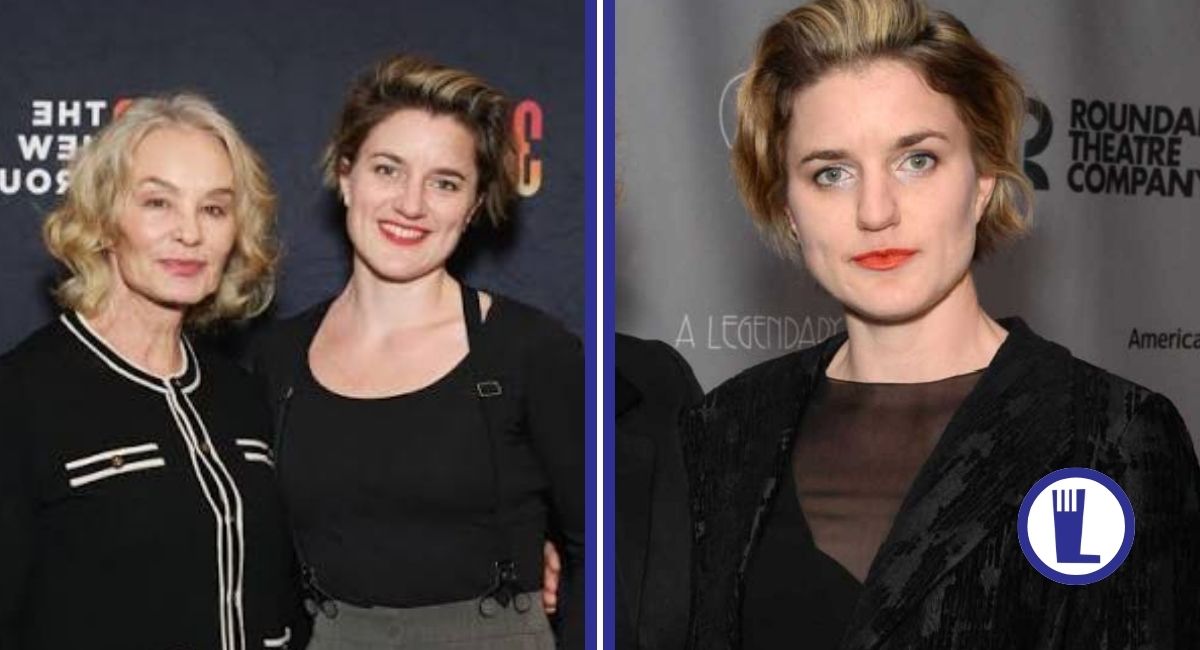
A film can bring the past to life through an old photograph, a forgotten recording or a piece of news footage. Finding that material is part of the work Hannah Jane Shepard does. Many readers first know her as the daughter of actor and playwright Sam Shepard and actress Jessica Lange. Her own career, however, includes documentary research, writing, education and screenwriting. Looking at her studies and film credits gives a clearer picture of the person behind a well-known surname.
Personal Details of Hannah Jane Shepard
| Detail | Information |
|---|---|
| Full name | Hannah Jane Shepard |
| Professional name | Hannah Shepard |
| Date of birth | 13 January 1986, as reported by People |
| Age | 40 as of October 2026 |
| Father | Sam Shepard, actor and playwright |
| Mother | Jessica Lange, actress |
| Younger brother | Samuel Walker Shepard |
| Half-siblings | Shura Baryshnikov and Jesse Mojo Shepard |
| Main work | Archival research, documentary production and writing |
| Undergraduate studies | Writing at Sarah Lawrence College |
| Graduate education | National University of Ireland and Fordham University |
| Academic recognition | Fordham’s Loomie Prize, listed in 2013 |
| Selected film credits | Aggie, Citizen Ashe and Going to Mars: The Nikki Giovanni Project |
| Screenwriting credit | Svadba, a Boston Lyric Opera film |
| Professional nomination | FOCAL Jane Mercer Researcher of the Year, 2019 |
Who Is Hannah Jane Shepard?
She is a researcher, archival producer and writer whose work connects history with film and the arts. An archival producer helps filmmakers find and use existing material, such as photographs, recordings and older films. Her professional biographies usually use the shorter name Hannah Shepard. This is useful to know when looking for her credits, because searching only her full name can miss relevant projects.
Her work includes documentaries, cultural institutions, fiction and filmed opera. These roles provide a useful introduction to her adult life. They show a career built around finding stories, understanding their context and helping bring them to an audience.
Birth and Childhood
According to People, Hannah Jane Shepard was born on 13 January 1986. She is 40 years old as of October 2026. Her younger brother, Samuel Walker, arrived in 1987, when both parents already had established careers.
A 1991 Vanity Fair profile offers a small glimpse of her childhood. Lange described five-year-old Hannah as having a “powerful personality,” and the article noted that she had begun learning the cello. Lange also explained that she took her children to film sets and showed them the practical side of her job. This account gives a picture of early contact with music and filmmaking, without suggesting that her future career had already been decided.
Her Parents, Brother and Half-Siblings
Her father, Sam Shepard, worked as a playwright, actor, director and screenwriter. He won the 1979 Pulitzer Prize for Drama for Buried Child and wrote plays including True West. Her mother, Jessica Lange, is known for a long screen and stage career. Their daughter therefore grew up with close links to several kinds of creative work, from written dialogue to live performance.
Hannah has a younger full brother, Samuel Walker Shepard, and two older half-siblings. Shura Baryshnikov is her mother’s daughter with dancer Mikhail Baryshnikov. Jesse Mojo Shepard is her father’s son from his marriage to O-Lan Jones. Shura later directed Svadba, the opera film Hannah wrote for the screen. That shared project is a clear, documented example of the sisters working together.
Where Hannah Jane Shepard Studied
She studied writing at Sarah Lawrence College before continuing her education at graduate level. Professional biographies name the National University of Ireland and Fordham University as the institutions where she earned master’s degrees. Her academic path brought writing and historical research into the same career.
That combination is useful in documentary work. A researcher needs to understand what a source says, where it came from and how it fits a wider story. A writer also needs to choose details that a reader or viewer can follow. Her studies help explain the range of roles in her professional record. They connect the careful reading of evidence with the creative task of shaping a story.
Research Recognition at Fordham
Fordham’s own History Department provides a specific record of her academic work. Its Loomie Prize page lists Hannah Jane Shepard under her professional name among the 2013 recipients. Her paper was titled “Vanished in Plain Sight: Scots-Irish Presbyterians in Wisconsin, 1830-1890.” The university awards the prize for the best seminar paper produced during the previous academic year, making this a clear achievement in historical research.
The subject concerned a particular religious community, place and period. Her professional biography further identifies her as a teaching fellow at Fordham. Taken together, the prize and teaching role show that her academic experience included both producing research and working within a university department. They are useful facts for understanding the training behind her later work.
Work in Libraries, Museums and Theatre
Before considering her film credits, it helps to look at the wider cultural work in her biography. Hannah Jane Shepard has worked as a researcher, educator and script reader. Women in Media names institutions including the New York Public Library for the Performing Arts, the Museum of the City of New York, The Public Theater and the Louie B. Nunn Center for Oral History.
These roles involve different ways of working with written records and recorded memories. Museum education helps visitors understand a subject, while script reading involves close attention to writing intended for performance. Her background therefore includes both studying material and thinking about how people receive it. The range is relevant to documentary production, where a team must make a complicated subject clear without losing its meaning.
What Does an Archival Producer Do?
An archival producer works with material that already exists. This may include television reports, home movies, photographs or sound recordings. The task involves more than finding an image that looks right. A team needs to understand its source and context, organise possible choices and consider how the material can be used in a film. Her professional profile includes research and arranging permissions to use material among her services.
For a simple example, a documentary about a public event may need recordings made at the time. Those recordings can help viewers hear the language people used and see how events were presented. Choosing the right material can change how a story feels and what an audience understands. A 2025 UnionDocs session featuring Hannah covered research, organising footage and licensing, showing how these practical tasks form part of her professional field.
Hannah Jane Shepard in Documentary Film
Her documentary credits include Aggie, Citizen Ashe and Going to Mars: The Nikki Giovanni Project. Aggie follows art collector and philanthropist Agnes Gund and explores connections between art and social justice. Citizen Ashe examines tennis champion Arthur Ashe and his role as a humanitarian and activist. These projects show how archival work can support stories about both individual achievement and wider social change.
Going to Mars focuses on poet Nikki Giovanni, and UnionDocs later built a filmmaking session around its use of archive and visual storytelling. Hannah also appears in the official credits for Nancy Buirski’s A Crime on the Bayou. That film follows Gary Duncan’s fight for justice after his arrest in Louisiana in 1966. Across these examples, her credits connect cultural history, personal experience and the struggle for equal rights.
Screenwriting for Svadba
Hannah Jane Shepard also worked as the screenwriter for Svadba, a filmed opera produced by Boston Lyric Opera with Opera Philadelphia. The music is by Ana Sokolović, and Shura Baryshnikov directed the film. Its story centres on a bride preparing for her wedding with the women around her. Music, movement and images carry the story through themes of friendship, tradition and change.
Writing for a filmed opera involves shaping a visual story around an existing musical work. This differs from researching records of real events for a documentary. Svadba adds another form of storytelling to her credits, showing how her writing can serve music, movement and performance.
Published Fiction and Teaching
Her writing has appeared outside film as well. Professional biographies list fiction published by W. W. Norton, Fiction Southeast and Spout Press. The 2025 UnionDocs biography also names SmokeLong Quarterly. These publication credits matter because they show that writing has remained an active part of her work, alongside research and production.
She has also shared her knowledge in public professional settings. Women in Media listed her as a panelist for its 2020 discussion of Aggie. UnionDocs later listed her with cinematographer Greg Harriott for its July 2025 session on archives and visual language. These events offered filmmakers a chance to hear about the work behind the finished image, including how research and creative decisions meet during production.
More Recent Work and Collaborations
Another documented project is John Lilly and the Earth Coincidence Control Office, directed by Courtney Stephens and Michael Almereyda. In a 2025 interview with MUBI, the directors discussed working with Hannah as their archival producer. Stephens explained that she searched institutional archives, while Almereyda praised her ability to gather material the directors would not otherwise have known about. Their account gives a practical example of her contribution.
This kind of testimony adds something that a credit list cannot show. It describes how research can open new possibilities during filmmaking. A new source may give directors another way to illustrate a story. In this case, the praise came directly from collaborators discussing their process. It supports a picture of Hannah as an active creative partner within a documentary team.
Public Work and Personal Privacy
Hannah’s studies, publications, film credits and event appearances provide material for a career profile. They do not give a complete account of her relationships or private finances. Those subjects should not be filled with guesses simply because her parents are well known.
For readers looking her up, professional credits are the clearest starting point. University pages can confirm academic recognition, while production pages identify her role in a particular project. This approach also helps distinguish her from people with similar names. It keeps the focus on work that can be checked and gives proper space to the achievements she has made in her own field.
Conclusion
Hannah Jane Shepard has built a varied career through research, writing and collaboration. Her record includes graduate study, a Fordham research prize, work with cultural institutions, documentary credits and a filmed opera. Being Sam Shepard and Jessica Lange’s daughter explains why many readers first search for her name. Her professional work gives them a fuller reason to remember it, through stories that connect people, art and history.
(FAQ’s)
1. What Does Hannah Jane Shepard Do?
She works as an archival researcher, producer and writer, with credits in documentary film and screenwriting.
2. Who Are Her Parents?
Her parents are actor and playwright Sam Shepard and actress Jessica Lange.
3. How Old Is She?
She is 40 as of October 2026, based on People’s reported birth date of 13 January 1986.
4. Where Did She Study?
She studied at Sarah Lawrence College and earned graduate degrees from the National University of Ireland and Fordham University.
5. Did She Write Svadba?
She wrote the screen adaptation for Boston Lyric Opera’s filmed production of Svadba, directed by Shura Baryshnikov.
You may also read: Melissa Holzhauer: The Academic Journey of James Holzhauer’s Wife
Visit for more additional information: Loom Magazine