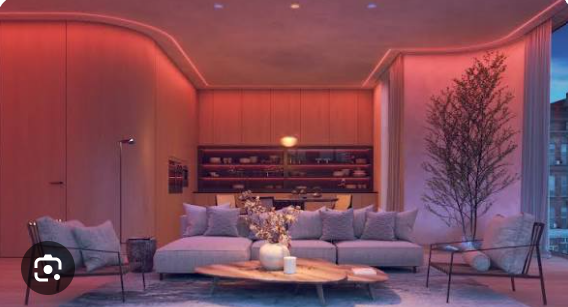
Lighting plays a much bigger role in a home than simply making rooms bright enough to see. The right lighting can change the mood of a space, highlight architectural features, make everyday activities easier, and create a welcoming atmosphere for family and guests. With thoughtful planning, Sound Effects can help homeowners approach residential lighting as an important part of the overall home environment rather than an afterthought.
Creative residential lighting designs combine different types of fixtures, brightness levels, colour temperatures, and controls to create spaces that feel comfortable and purposeful. Whether you are updating a single room or planning lighting for an entire home, understanding how these elements work together can help you achieve a more inviting result.
Start With the Purpose of Each Room
Every room has different lighting requirements. A kitchen needs practical illumination for food preparation and cleaning, while a bedroom usually benefits from softer and more relaxing light. Living rooms often need flexibility because they may be used for entertaining, watching television, reading, or relaxing.
Before selecting fixtures, consider how each space will be used throughout the day. This makes it easier to determine where brighter task lighting is required and where softer ambient lighting would be more appropriate.
For example, a kitchen might combine ceiling lighting with focused illumination beneath cabinets. A living room could use a combination of recessed lights, decorative fixtures, and accent lighting. Thinking about activities first helps prevent a room from becoming unnecessarily bright or poorly illuminated.
Layer Different Types of Lighting
One of the most effective ways to make residential lighting feel more sophisticated is to use layers. Instead of depending on one central fixture, combine different lighting sources to provide depth and flexibility.
The three common layers are ambient, task, and accent lighting.
Ambient lighting provides general illumination throughout the room. Recessed downlights, ceiling fixtures, and well-positioned wall lights can contribute to this layer.
Task lighting is designed for specific activities. Examples include pendant lights above kitchen islands, reading lamps beside beds, and focused lighting near work areas.
Accent lighting adds visual interest. It can highlight artwork, architectural details, shelving, textured walls, or decorative objects.
Combining these layers gives homeowners greater control over how a room looks and feels at different times of the day.
Use Lighting to Highlight Architectural Features
Lighting can draw attention to features that might otherwise go unnoticed. A textured wall, staircase, ceiling detail, artwork, or built-in shelving can become a visual focal point when illuminated correctly.
Wall washing and grazing techniques are particularly useful for creating subtle visual effects. Instead of flooding an entire wall with light, carefully positioned fixtures can emphasise its texture or shape.
This approach can also make rooms feel more visually interesting without adding unnecessary decoration. In contemporary interiors, discreet lighting can provide a clean appearance while still creating strong visual impact.
Choose the Right Colour Temperature
The colour of light has a significant effect on how comfortable a room feels. Warm white lighting generally creates a relaxed and welcoming atmosphere, making it suitable for bedrooms, living rooms, dining areas, and other spaces where comfort is important.
Cooler lighting can provide a cleaner and more energetic appearance and may work well in certain task-oriented areas.
The key is consistency. Using dramatically different colour temperatures throughout connected spaces can make the home feel visually disconnected. A carefully planned lighting scheme should consider how adjoining rooms interact rather than treating every room as a completely separate environment.
Make Lighting Flexible With Smart Controls
Modern residential lighting does not have to be controlled only through traditional switches. Smart controls can provide greater flexibility while making everyday routines more convenient.
Homeowners can create different lighting scenes for different situations. A bright setting might be useful during cleaning or cooking, while a softer setting can create a more relaxed atmosphere during an evening gathering.
With integrated control systems, multiple lights can also be managed together instead of adjusting each fixture individually. This becomes particularly useful in open-plan homes where several lighting zones may need to work together.
Sound Effects can be part of a broader approach to connected home technology, where lighting works alongside other systems to create a more coordinated and comfortable environment.
Consider Natural Light During the Design Process
Artificial lighting should complement natural light rather than compete with it. Windows, skylights, glass doors, and the orientation of a room can all affect how much daylight is available.
Observe how sunlight moves through each space during the day before finalising the lighting plan. Areas that receive strong daylight may require less artificial illumination during daytime hours, while darker corners may benefit from additional layers of light.
Window treatments should also be considered. Curtains, blinds, and shades can change the amount of natural light entering a room, which means the artificial lighting system should remain flexible enough to accommodate these changes.
Avoid Overlighting
More light does not necessarily mean better lighting. Installing too many fixtures can create glare, harsh shadows, and an uncomfortable atmosphere.
Instead of placing downlights at regular intervals simply because space is available, consider what each fixture is actually illuminating. Decorative features, furniture layouts, work surfaces, and circulation areas should influence fixture placement.
Dimmers can also help reduce the problem of excessive brightness. They allow the same lighting system to adapt to different times of day and different activities.
Integrate Decorative and Functional Fixtures
Lighting fixtures themselves can contribute to the character of a room. Pendant lights, wall sconces, chandeliers, floor lamps, and architectural fixtures can become design elements while providing useful illumination.
The goal is to balance appearance with practicality. A beautiful fixture is less effective if it creates glare or fails to provide enough light where it is needed.
For this reason, fixture selection should happen alongside the broader lighting plan rather than at the very end of an interior design project.
Create a More Inviting Home Through Thoughtful Lighting
Creative residential lighting is ultimately about making a home feel better to live in. The most effective designs combine practical illumination with atmosphere, flexibility, and visual interest.
By considering how each room is used, layering different types of lighting, highlighting architectural details, selecting suitable colour temperatures, and incorporating smart controls, homeowners can create spaces that adapt to everyday life.
Working with Sound Effects can also help bring lighting into a broader connected-home strategy, where technology is designed to support comfort, convenience, and the overall character of the property. When lighting is planned as part of the home rather than added as an afterthought, even simple rooms can become warmer, more functional, and more inviting.